
ISA Level 1 Surf Instructor: Complete Guide to Requirements & Skills
ISA Level 1 Surf Instructor: Complete Guide to Requirements & Skills
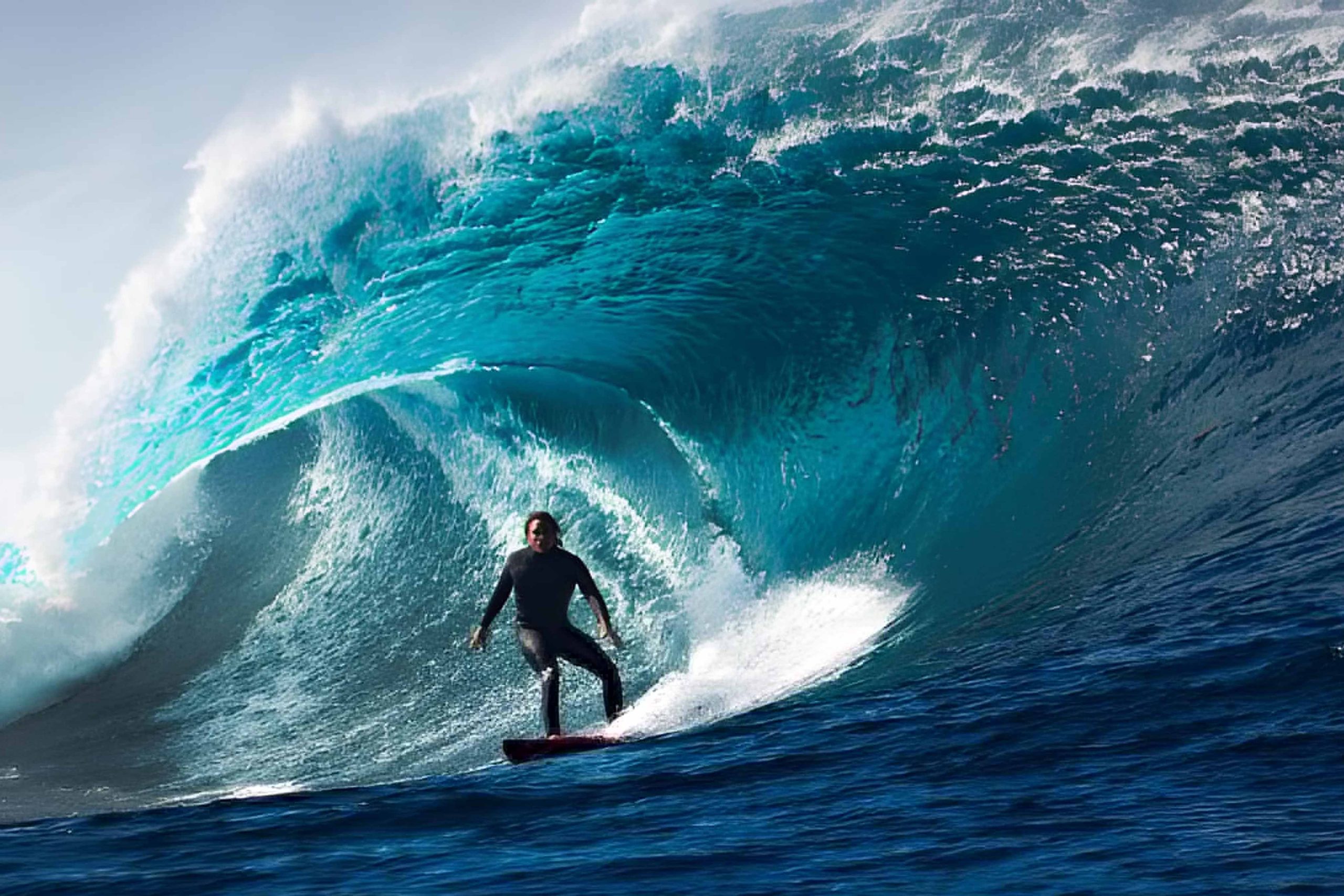
Dreaming of turning your passion for surfing into a career? The ISA Level 1 Surf Instructor certification is your golden ticket to teaching professionally around the world. But what does it really take to pass this internationally recognized qualification?
As an ISA-certified surf school, we've helped dozens of aspiring instructors navigate the certification process. The truth is, many competent surfers underestimate what's required—not just in surfing ability, but in teaching skills, ocean knowledge, and safety protocols.
This comprehensive guide breaks down exactly what you need to know, demonstrate, and master to earn your ISA Level 1 Surf Instructor certification and start your professional teaching journey.
Table of Contents
ToggleOverview of Skill Categories
Quick bullet overview:
- Paddling efficiency
- Wave negotiation (duck dive / turtle roll)
- Wave selection and positioning
- Take off and pop up
- Fundamental maneuvers
- Speed generation and flow
- Line choice and power zone awareness
- Controlled exit
Paddling
What it means
Ability to paddle efficiently using correct body position, alignment and stroke technique.
What examiners look for
- No excessive leg drag
- Stable board trim
- Efficient arm recovery
- Ability to maintain speed over distance
Minimum standard
You can paddle out through breaking waves without exhaustion and maintain positioning in the lineup.
Common mistakes
- Head too high
- Poor stroke depth
- Zigzag paddling
Duck Dive or Turtle Roll
What it means
Ability to safely pass through incoming waves and reach the lineup independently.
What examiners look for
- Timing
- Control under whitewater
- Minimal loss of ground
Minimum standard
You can consistently clear breaking waves without being pushed back significantly.
Common mistakes
- Too shallow duck dive
- Late timing
- Letting go of the board
Wave Selection
What it means
Reading the ocean and choosing waves that allow proper demonstration of maneuvers.
What examiners look for
- Positioning relative to peak
- Awareness of priority
- Choosing waves with open face
Minimum standard
You consistently take waves that allow at least one clean maneuver.
Common mistakes
- Sitting too far on the shoulder
- Taking closeouts
- Poor positioning before set arrival
Take Off and Pop Up
What it means
Smooth, angled entry into the wave with immediate balance and control.
What examiners look for
- Early angle
- Fluid pop up
- Immediate trim
Minimum standard
No knee drops, no unstable landings, no repeated missed takeoffs.
Common mistakes
- Late drop
- Standing too upright
- Flat takeoff without angle
Bottom Turn
What it means
Controlled directional change at the base of the wave that sets up the next maneuver.
What examiners look for
- Compression and extension
- Rail engagement
- Setting correct line
Minimum standard
You can consistently bottom turn and project toward the lip or open face.
Common mistakes
- Cutting it too short
- Staying too low without projection
- Over-rotating shoulders
Read also: Surf Levels: How to Understand Where You Are with Your Surfing
Trim Up and Down / Speed Generation
What it means
Using the wave face to maintain and increase speed without excessive pumping.
What examiners look for
- Smooth transitions
- Use of wave’s power zone
- Controlled top and bottom flow
Minimum standard
You can generate speed to link at least two maneuvers.
Common mistakes
- Pumping excessively
- Staying too high on shoulder
- Losing speed before section
Lines and Trajectory
What it means
Understanding and returning to the wave’s power source rather than drifting to the shoulder.
What examiners look for
- Awareness of pocket
- Repositioning after maneuvers
- Strategic line choice
Minimum standard
You stay connected to the critical part of the wave.
Common mistakes
- Running straight to shoulder
- Not adjusting after section
Exit
What it means
Controlled completion of the ride without losing balance or being hit by the lip.
What examiners look for
- Controlled kick out
- Awareness of other surfers
- Safe dismount
Minimum standard
You exit with control rather than falling off.
Common mistakes
- Late exit under lip
- Falling backward
- Straightening out in front of whitewater
FAQ: ISA Level 1 Surf Instructor Certification
You should be comfortable in head-high waves, able to catch 8/10 waves you paddle for, and demonstrate basic maneuvers competently. Competitive surfing ability is not required.
Most courses run 4-5 days intensively, plus pre-course preparation and potential follow-up assessment.
Typically 70-80% for well-prepared candidates. Most failures come from inadequate preparation rather than lack of surfing ability.
Yes, you must be at least 16 years old to certify, though some schools recommend 18+ for teaching employment purposes.
The ISA Level 1 certification is valid for 2 years before requiring a water safety update, and 4 years before full recertification.
No, the practical surfing assessment is a mandatory pass component. Weak surfing cannot be compensated by strong theoretical knowledge.
Most courses include CPR and basic first aid, but requirements vary by country and course provider.
Prices range from $400-$800 depending on location, included components, and course duration
Overall Level Required
Describe the composite surfer:
To pass ISA Level 1, you are not expected to perform advanced maneuvers such as snaps or cutbacks at high intensity. However, you must demonstrate:
- Consistent control
- Linked fundamental maneuvers
- Ocean awareness
- Safe positioning
Then clarify that the assessment focuses on reliability, not flashiness.
At Sōleïa Surf Academy, we've seen how proper preparation transforms anxious candidates into confident, certified professionals. Your journey to becoming an ISA Level 1 Surf Instructor starts with honest self-assessment and dedicated preparation.
Ready to start your instructor journey?
Recent Posts

ISA Level 1 Surf Instructor: Complete Guide to Requirements & Skills
Surf Holidays Packages in Bali Compared (Price, Inclusions & Reviews)

How to Progress in Surfing: Landlocked Training Guide
Start From € 5125,-
Our 12-weeks
Surf Academy Program in Bali